VMR Pradeep Kumar Institute of Engineering & Technology
FACILITIES FOR CSE
The Computer Science and Engineering (CSE) department, established in 1994 with an initial intake of 40 students, has grown significantly to now accommodate 120 students. Over the years, it has evolved into a dynamic and progressive department, committed to nurturing students both academically and professionally. The department is guided by a mission to extend its influence beyond campus, impacting both the local community and the broader technological landscape.
Key Highlights of the Department:
1. Academic Excellence and Industry Relevance: The curriculum is designed not just to meet the SBTET, Hyderabad guidelines but also to cater to the ever-evolving demands of the industry. The program includes hands-on experience with both hardware and software platforms used in modern industries. This ensures that students are not only academically prepared but also equipped with practical skills that give them a competitive edge.
2. Experienced Faculty: The department boasts highly experienced faculty members with expertise in networking, image processing, artificial intelligence, programming, and more. Their deep knowledge and research-oriented approach ensure that students receive high-quality instruction and mentorship, fostering innovation and critical thinking.
3. Advanced Learning Opportunities: To keep students abreast of the latest technological advancements, the department regularly organizes seminars, group discussions, workshops, and software contests. These activities help students sharpen their skills, stay updated with the latest industry trends, and prepare for the challenges of the software field.
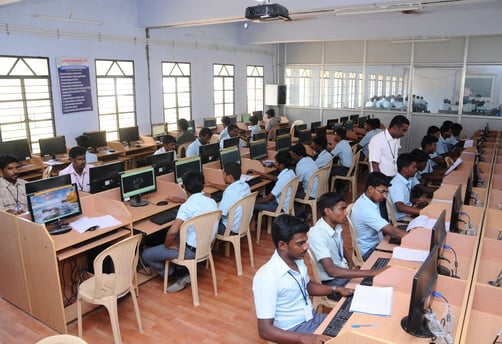
4. State-of-the-Art Infrastructure: The department is equipped with fully air-conditioned laboratories, modern seating arrangements, and Pentium IV systems with 1.7 to 2.6 GHz processors running on a Windows 10 environment. The laboratories also feature the latest legal software, ensuring students have access to the tools they need for their coursework and projects.
5. Internet and Research Facilities: A high-speed internet connection is available to both students and staff, enabling access to the latest information in Information Technology. This allows students to conduct research, work on projects, and stay connected to global technological developments.
In summary, the Computer Science and Engineering department is dedicated to producing well-rounded professionals, equipped with the technical knowledge and practical experience necessary to thrive in today's competitive software industry
FACILITIES FOR ECE
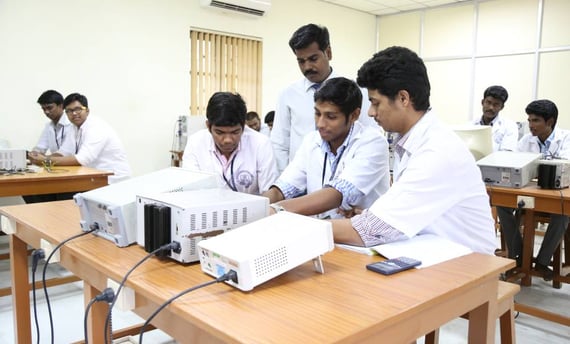
The Electronics and Communication Engineering (ECE) department plays a vital role in modern globalization, with communication heavily relying on advancements in electronics. The department is equipped with state-of-the-art laboratories that provide hands-on experience in fields such as communication systems, digital signal processing (DSP), microprocessors, VLSI design, and antennas.
Key labs include the Communication Systems Lab, focusing on signal modulation and transmission, the DSP Lab for signal processing, and the VLSI Design Lab for integrated circuit design. The department also provides industry-standard tools like MAT LAB, LabVIEW, and FPGA kits, ensuring students are prepared for real-world applications.
In addition to practical learning, the department emphasizes project-based work and regularly hosts workshops and seminars to keep students updated on new trends like 5G, IoT, and wireless communication. These resources prepare students for careers in telecommunications, embedded systems, and networking, equipping them with both technical skills and industry knowledge
FACILITIES FOR EEE
Electrical and Electronics Engineering (EEE) and its associated labs:
Overview of Electrical and Electronics Engineering (EEE)
Electrical and Electronics Engineering (EEE) is a broad and rapidly evolving field focusing on various areas such as:
1. Power Systems: Generation, transmission, and distribution of electricity, including renewable energy and smart grids.
2. Electronics: Design and development of electronic circuits and devices, including microelectronics and embedded systems.
3. Control Systems: Manipulating system behavior using controllers, applicable in robotics and automation.
4. Communication Systems: Transmission of information, including wireless communication and networking.
5. Digital Systems: Design of digital circuits and systems, focusing on computer architecture and digital signal processing.
Current Trends
Internet of Things (IoT)
Artificial Intelligence (AI) and Machine Learning (ML)
Smart Grids
5G Technology
Sustainable Technologies
Laboratory Facilities
EEE departments typically have well-equipped labs, including:
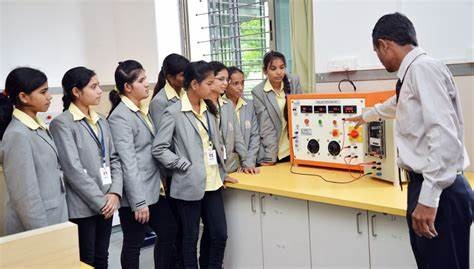
1. Circuit Lab: Hands-on circuit design and experimentation.
2. Power Systems Lab: Experiments on power generation and distribution.
3. Control Systems Lab: Applications of control theory.
4. Communication Lab: Testing communication circuits.
5. Microprocessor Lab: Programming and interfacing microcontrollers.
6. Embedded Systems Lab: Hardware-software integration.
7. Renewable Energy Lab: Experiments on renewable energy sources.
Conclusion
EEE combines theoretical knowledge with practical skills, preparing students for careers in various industries and research fields, emphasizing the importance of staying updated with the latest trends and technologies.
FACILITIES FOR CIVIL
Civil Engineering focuses on the design, construction, and maintenance of infrastructure and the built environment, encompassing various sub-disciplines.
Key Areas
1. Structural Engineering: Design and analysis of structures like buildings and bridges.
2. Geotechnical Engineering: Study of soil behavior and foundation design.
3. Transportation Engineering: Design and maintenance of transportation systems (roads, railways, airports).
4. Environmental Engineering: Focus on sustainable practices, waste management, and pollution control.
5. Water Resources Engineering: Management of water resources, including hydrology and flood control.
6. Construction Management: Planning and supervision of construction projects.
Current Trends
Sustainable Design
Smart Cities
Building Information Modeling (BIM)
Resilient Infrastructure
Drones and Robotics for construction monitoring
Laboratory Facilities
Civil Engineering departments typically have labs for:
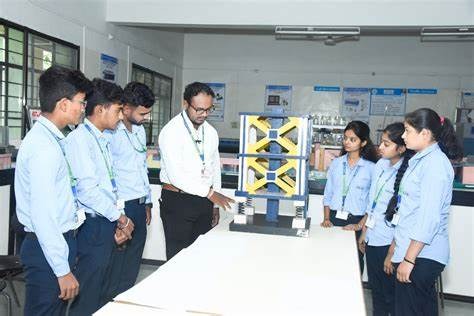
1. Structural Testing
2. Geotechnical Analysis
3. Transportation Studies
4. Environmental Assessments
5. Hydraulics Experiments
Conclusion
Civil Engineering is essential for developing infrastructure and addressing environmental challenges, continually adapting to new technologies and practices to prepare students for diverse careers
ABOUT OUR LIBRARY
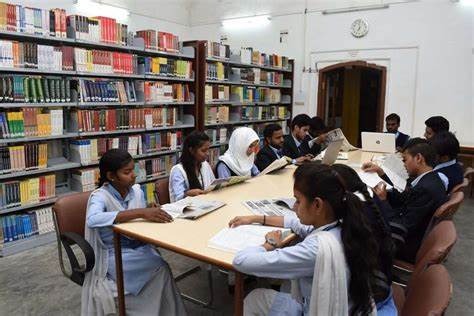
Our library boasts an extensive collection of over 61,433 text and reference books across multiple branches of engineering and computer science, including electronics, electrical, mechanical, civil, and physical sciences, as well as management. This diverse selection supports the academic and research needs of both students and staff.
In addition to its vast book collection, the library offers access to a comprehensive repository of previous question papers, allowing users to study and prepare effectively. Furthermore, the library subscribes to various journals and periodicals, providing access to the latest research and developments in these fields. This combination of resources creates an invaluable environment for learning and research.
Education
Empowering students through innovative engineering programs.
Courses
Contact
9966686659, 8686748333
© 2024. All rights reserved.
COMPUTER SCIENCE ENGINEERING
ELECTRONICS & COMMUNICATION ENGINEERING
ELECTRICAL &ELECTRONICS ENGINEERING
CIVIL ENGINEERING
MECHANICHAL ENGINEERING